Top-shelf exotics: how California's cannabis ateliers changed the industry and took over the world
October 25, 2026
California weed means strains grown by licensed American brands, mostly in sealed indoor grow rooms in Los Angeles and Northern California. In our catalog you'll find them in two sections: Cali Looses (sold by weight) and Cali Packs (in the original factory packaging). This article is about the people and farms behind those strains: how they work, what they look for in a plant, and why you can recognize their flower from the first sniff.
In short
- California is the world's main lab for cannabis genetics: most of the trending strains of recent years were bred there.
- Strong brands don't just grow — they spend years hunting phenotypes. Out of thousands of plants, only a handful make it to market.
- Nearly all of our American strains share one ancestor — Zkittlez, the defining genetics of the decade.
- In the BND catalog right now: Wizard Trees, Blueprint, Malibu, Maison O Caçapo and Mr. Gelatti — from ฿600 (about US$18) per gram by weight.
Why California?

California legalized medical cannabis back in 1996 — the first US state to do so. Over thirty years it raised several generations of growers who chased quality rather than volume: they selected genetics and fine-tuned light, feeding, drying and curing. By the time the adult-use market opened in 2018, these people were already masters of their craft, and their brands were names known from New York to Bangkok.
That's where the defining trait of California indoor comes from: consistency. Flower from one batch looks, smells and smokes the same as the next. It's the result of controlling every variable — from the humidity in the room to the weeks in a jar after drying.
What is a phenotype, and why do growers hunt for it?
Plant a hundred seeds of the same strain and you'll get a hundred different plants. They share the same genetics, but each expresses them in its own way: one smells louder, another produces more resin, a third grows sturdier. Each of these variations is called a phenotype.
A pheno hunt is the search for the best phenotype. The grower plants hundreds of seeds, takes them all the way to harvest, scores every plant on smell, resin, bud structure and flavor — and keeps one or two. From then on, the winner is propagated only from cuttings, or clones. In the industry that clone is called a cut, and the person who keeps it alive is the keeper. That's why California strains often carry numbers: Sherbanger #22 is plant number 22 from the hunt, the one that turned out best.
The scale is impressive. Blueprint's founders say they ran more than two thousand strains through selection before releasing their first jar. That is what you're paying for with California flower: years of selection, not just the gram.
The genetics of the decade: it all leads back to Zkittlez
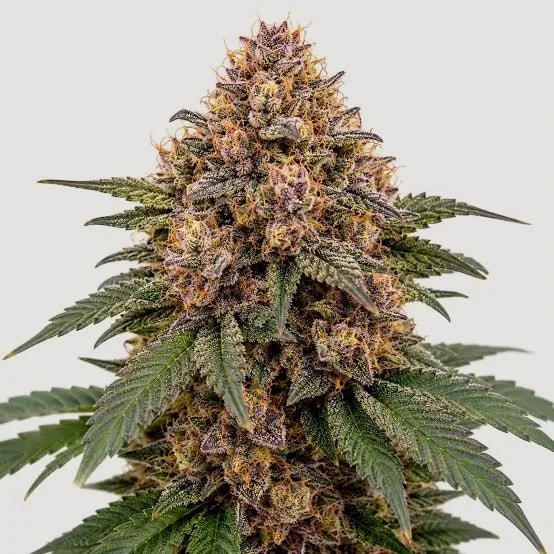
Look at the family trees in our California section and one name keeps coming up: Zkittlez. This strain, with its bright fruity-candy aroma, won the Emerald Cup in 2015 and became the parent of a whole wave of hybrids. Its descendants often hide a Z in their names: Zoap, Zangria, Zermès, Oishi Z.
The reason it caught on is simple: Zkittlez gave the market a flavor it had never had before — sweet, almost like candy. Breeders started crossing it with classic “gas” lines such as OG Kush and Chem, and the result became the signature aroma of the 2020s: candy gas, sweets and fuel at the same time. It's the profile you'll meet most often in Cali Looses and Cali Packs.
Wizard Trees: Los Angeles, small batches, terps only

Wizard Trees is a Los Angeles brand that grew out of the legacy market — California's underground growing scene before legalization — and brought that approach into the legal market. The brand's philosophy fits in one line: if the bud isn't beautiful and doesn't smell, it isn't Wizard Trees. They work in small batches and develop genetics together with well-known breeders: with Deep East (DEO Farms) they created the award-winning Zoap, and their RS11 line is tied to Doja Pak.
The Tide line and the “Banger” family deserve special attention:
- Tide — a Blue Zushi expression, that is, Zkittlez × Kush Mints. The sweetness of Z plus the cool mint of Kush Mints.
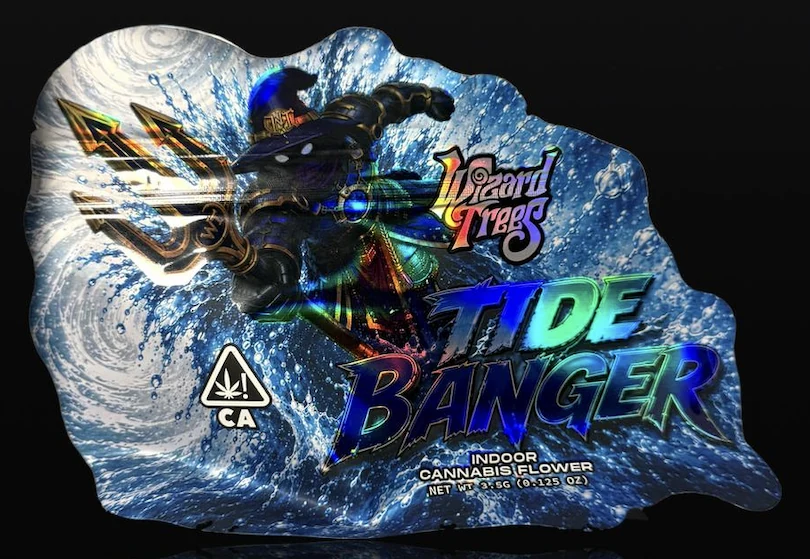
- Tidebanger — Tide × Sherbanger #22. Sherbanger, in turn, is Sunset Sherbet × Headbanger. Sweet citrus and hard candy over mint and diesel; limonene, caryophyllene and myrcene lead the terpene profile.
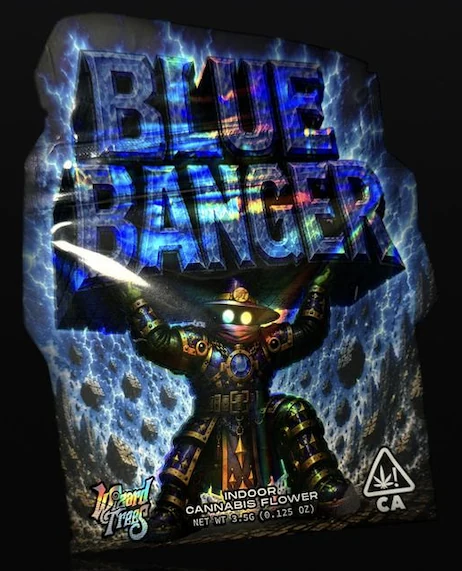
- Bluebanger — Blue Magic × Zangbanger, both parents bred in-house by Wizard Trees. Sharp fuel and lemon zest first, then jammy berries and a creamy finish.
- Riptide — another branch of the Tide line: a powerful indica-dominant hybrid of two famous Z lines, Zoza × Tide. It balances an explosive terpene profile of sweet candy and ripe berries with a deep, relaxing body effect.
Blueprint: Sacramento and the science of selection

Blueprint is an indoor brand from Sacramento. It was founded by Joe Stanger, Drew Coggio and cultivator Jordan Aguilar, who brought almost ten years of indoor experience, including projects connected to Connected and Alien Labs. In 2021 Blueprint launched through the Cookies retail chain and made its mark right away: its Triple Lindy took several categories at the Zalympix competition.
Blueprint's approach is almost scientific: in-house research at every stage, strict environmental control and a constant flow of new genetics into selection. In 2021, according to press reports, they were testing 144 new candidates every 65 days. The brand even runs a program called Redline: trusted connoisseurs get samples before a strain is released and send back feedback, and only then does the strain go on sale.
Strains from their selection we recommend:
- Josh D OG — living history. Josh D is one of the keepers of the original OG Kush clone, which, by his account, appeared in a Los Angeles grow room in the mid-90s. OG Kush became the foundation of California “gas”, and its descendants now show up in nearly every other family tree.
- OG x Grandma Cookies — classic OG crossed with the Cookies line.
- Oishi Z — “oishii” means “delicious” in Japanese, and the Z in the name hints at Zkittlez ancestry.
Malibu: dessert Z genetics
Malibu (Malibu Farmerz) is a California farm that earned cult status through an uncompromising focus on dessert Z genetics — strains built on the legendary Zkittlez. The farm's signature is hand watering and fully living organic soil (hand-fed living soil), which brings out the plants' terpene potential. The Malibu team has bred a number of well-known hybrids with sweet, candy-tropical and gassy profiles — The Shodan, Bakers Dozen, Malibu Lemon Z — together with leading breeders such as Seed Junky Genetics and Wizard Trees. Their flower is valued for clean white ash, steady oil rings as it burns, and a dessert flavor that sets a new quality standard.
Under the Malibu name we carry two hybrids, both from the world of dessert Z strains:
- Tenshi — “angel” in Japanese. It's Zoap × Zikigai from Raw Genetics: two Z lines in one plant. The aroma brings sweet candy, minty freshness and gas; the exhale is creamy gelato.
- Zamosa x Headbanger — Zamosa (Kittlez × Mosa from L.A. Family Farms) smells like a citrus soda, and Headbanger adds a classic gassy base.
Maison O Caçapo: “Paris-Fornia” and collectible jars

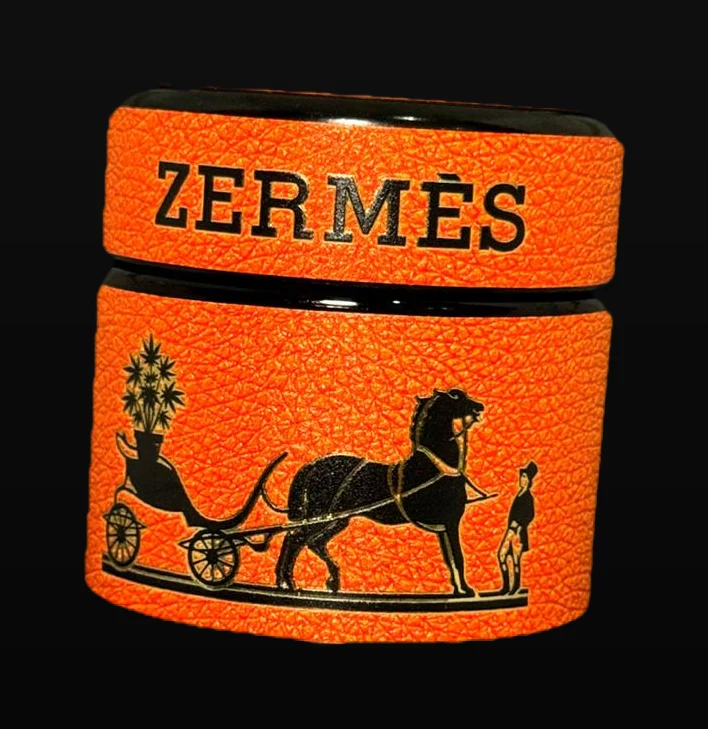
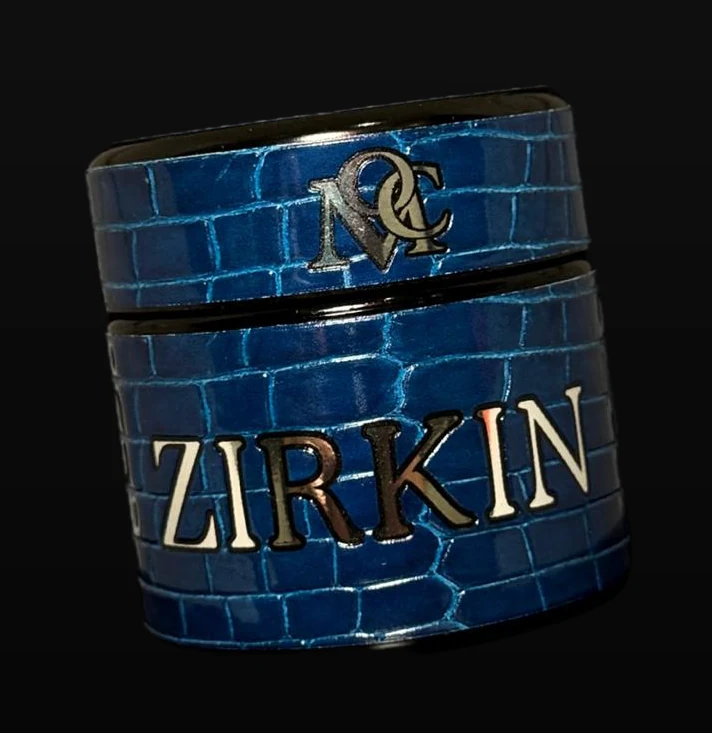
Maison O Caçapo calls itself a private atelier and plays where fashion meets cannabis: “Paris-Fornia”, numbered jars, limited drops. The strain names nod to fashion houses — Zermès, Zirkin, Zivenchy, Zartier. They grow in coco using their own method, which the brand calls Synganic, and release in small batches.
Synganic (synthetic-organic growing) is a hybrid cultivation method that combines synthetic mineral nutrients with living organics. Each side has its own job: the mineral base (chelated salts) drives fast growth, maximum flower weight and tight control over bud density, while the organic inputs — humic acids, beneficial microbes, mycorrhizae and enzymes — push the plant to build a complex terpene profile.
These come in 7 g jars:
- Zermès — a pure Zkittlez line: concentrated mandarin with candy sweetness.
- Zirkin — Zkittlez BX3, meaning it was backcrossed to Zkittlez three times to lock in its flavor. Candy and gas with nothing else mixed in — for people who love Z in its purest form.
- Lemon Giela (also spelled Lemongiela) — a premium daytime hybrid from a rare Z line, (Lemon Up × Zkittlez) × SFV OG. A bright lemon-candy flavor on a strong gassy base, and a clean creative lift without the couch-lock.
- Oranglela (also seen as Orangiela) — a sister phenotype from the same line, a cross of Orangiela × Lemon OZ. Rich, spicy citrus over a dense, funky — cheesy, musky — base.
- Orange Zoyard — part of the brand's signature Zoyard line, released in limited color editions (there are also White Zoyard and Blue Zoyard). Genetically, the line crosses the brand's Z line with the cult Orange Zkittlez (Agent Orange × Zkittlez), which makes it one of the sweetest and most citrusy in the atelier's collection.
- Gazo — an exclusive super-gassy cross built on the brand's flagship heavy indica hybrid, The Petrol (championship Kosher Kush × Wedding Cake). The name says it all: a dominant, sharp OG-fuel profile, made for fans of a powerful sedating effect.
Mr. Gelatti: candy gas evolved, from California

Mr. Gelatti is a California exotics brand that grew out of selection work on the original Gelatti — the famous Gelato × Biscotti cross from Cookies Fam. The brand earned cult international status — especially in Los Angeles, Amsterdam and Bangkok — thanks to access to closed club clones and its own direction in breeding. Its signature is high potency (THC consistently around 28–31%) and dense, oily flowers with a trademark candy-gas profile, where sugary dessert notes wrap around sharp OG fuel.
Exclusive to BND Delivery — phenotypes from their limited lines:
- Strawberry Nerds — a standout of the brand's new “candy” wave: the flagship Mr. Gelatti crossed with the ultra-fruity Strawguava (Strawberry Banana × Papaya). This phenotype stands out with an explosive sweet-and-sour flavor of strawberry caramel and tropical candy, a faint creamy-gassy aftertaste, and a strong euphoric lift.
- Blue Cookies — a deep, heavy indica cross in which Mr. Gelatti's breeders reworked a classic, pairing the original Gelatti with the legendary Thin Mint Girl Scout Cookies phenotype. The dark purple, almost bluish flowers smell of fresh blueberry pastry, menthol and earthy gas, and the effect is classic couch-lock relaxation deep in the body.
Where to start
- Want to understand California “gas”? Go for Josh D OG. These are the roots half of today's strains grew from.
- Love sweet and fruity? Tenshi or Zermès: Z genetics at their best.
- Want it all at once? Tidebanger: candy, mint and diesel in one bud.
- Buying a gift or something to collect? Wizard Trees packs or Maison O Caçapo jars: original packaging that's a pleasure to open.
How to judge California flower
The best American brands cure their harvest for weeks before packing it. That's why good California flower is easy to spot:
- Smell when you open the jar — loud and layered, not grassy.
- The bud — dense but not rock-hard, with a slight spring when you squeeze it.
- Trichomes — thickly coat the bud, so it looks frosted.
- Flavor — matches the smell. If the aroma is candy, the smoke is candy too, with no harshness in the throat.
Keep packs and jars closed, in the shade and somewhere cool: terpenes fade fast in the heat, and in Phuket you'll notice it quickly.
A tribute
Behind every jar in this section are years of work by people we will most likely never meet. Growers who kept clones alive since the underground days. Breeders who grew thousands of plants to find one. Teams who spend months perfecting drying and curing. We bring their work to Phuket because we believe this kind of flower is worth trying at least once. Thank you to Wizard Trees, Blueprint and all the California masters whose genetics are in our catalog today.
Frequently asked questions
In genetics and in how it's grown. California brands spend years selecting phenotypes and grow in fully controlled indoor rooms, so flavor and quality barely change from batch to batch.
Usually it's a nod to Zkittlez — the strain that became the parent of most trending hybrids of recent years. A Z almost always promises a sweet, candy-and-fruit profile.
It's a specific variation of a plant within one strain. A hundred seeds of the same strain grow into a hundred different phenotypes; growers select the best one and then propagate only that one from clones.
They're imported: shipping from the US plus the price of American indoor flower itself. And behind every strain are years of breeding.
See every American strain in stock in our catalog. Not sure what to choose? Message us on Telegram and we'll help you pick by flavor.