Medical cannabis and CBD — effects, research and uses
November 26, 2026
Medical cannabis, also called medical marijuana, refers to cannabis products, including dried flower, used for medical purposes under a clinician’s supervision. Dried cannabis flower varies in how much tetrahydrocannabinol (THC) and cannabidiol (CBD) it contains. This article looks at how medical cannabis flower can affect how people feel, what we know about relief from pain and muscle stiffness, and where cannabis is grown for medical use.
CBD also appears in products outside medical care. We look at which personal care products contain it and why some athletes use CBD oil after training.
How dried cannabis flower is used
Agree on the method, dose and frequency with your clinician. When inhalation is prescribed, use a dry herb vaporiser. It heats the flower without burning it to produce an aerosol. This avoids exposure to smoke and the airway irritation it can cause. Our guide to ways to consume cannabis explains how smoking and vaporising differ.
The first effects can be felt within minutes of inhalation. THC is mainly responsible for the high, which can include feelings of relaxation or euphoria. In small trials, inhaling flower containing THC temporarily eased pain caused by nerve damage. Pure CBD can affect how people feel without causing intoxication. How people respond depends on the composition of the flower, the dose and individual sensitivity.Wilsey et al., The Journal of Pain, 2013, PMID 23237736
How cannabis flower can affect how people feel
In clinical studies and observational research, people described how they felt after using cannabis.
- Less pain and muscle stiffness. Small trials found temporary reductions in pain or muscle stiffness after inhalation of cannabis flower.Wilsey et al., The Journal of Pain, 2013, PMID 23237736; Corey-Bloom et al., CMAJ, 2012, PMID 22586334
- Feeling relaxed and calm. In voluntary diaries, people described feeling more relaxed after inhaling cannabis flower. In a 30-day study without a placebo group, anxiety ratings fell more in the groups using balanced or CBD-dominant flower than in the THC-dominant group.Bidwell et al., Cannabis and Cannabinoid Research, 2024, PMC11392455
- Falling asleep and sleep quality. Some people reported falling asleep faster in sleep diaries. In separate observational studies, patients with insomnia rated their sleep quality higher. This research covered different forms of cannabis.Effectiveness of Raw, Natural Medical Cannabis Flower for Treating Insomnia under Naturalistic Conditions, 2018, PMID 29997343
- Less nausea and a stronger appetite. Some people recorded that they felt less nauseous after using cannabis flower. In a controlled trial, participants ate more after inhaling flower containing THC than after placebo.The Effectiveness of Common Cannabis Products for Treatment of Nausea, PMID 35258504; Foltin et al., Appetite, 1988, PMID 3228283
In some people, THC can also cause drowsiness and dizziness and slow reaction time. Avoid driving or operating machinery after using cannabis containing THC.
Where medical cannabis is grown and how it is regulated
Flower quality depends on cultivation standards, oversight and laboratory testing of individual batches.
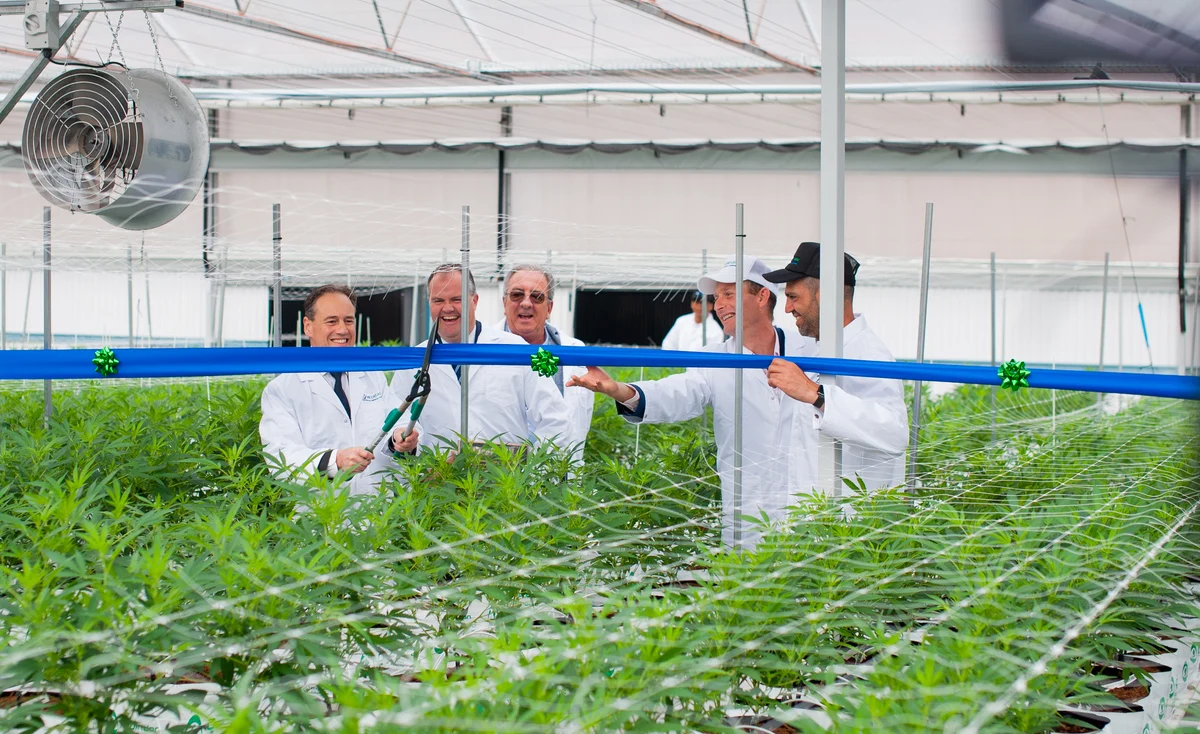
Thailand, Canada and Australia
- Thailand. The Department of Thai Traditional and Alternative Medicine maintains a register of cultivation sites that meet good agricultural and collection practice standards. It includes sites in Chiang Mai province.
- Canada. Health Canada publishes a list of licensed producers by province. These producers supply products with different ratios of THC to CBD.Health Canada, Licensed cultivators, processors and sellers of cannabis under the Cannabis Act
- Australia. Regulators list approved medical cannabis producers, including growers on the island of Tasmania.
Europe
European countries set their own rules for growing, prescribing and dispensing medical cannabis flower.
- The Netherlands. The Office of Medicinal Cannabis publishes flower specifications, including THC and CBD content. Pharmacies dispense standardised flower on prescription.Office of Medicinal Cannabis, Types of medicinal cannabis; Medicinal Cannabis Information Brochure for Doctors and Pharmacists
- Germany. Pharmacies dispense flower on prescription. Supplies come from imports and domestic growers licensed by the federal regulator.
- Czechia. Pharmacies dispense dried flower on electronic prescription. Their supplies include flower from licensed domestic producers and imports.
- Poland. Dried flower is used as a pharmaceutical ingredient in pharmacy preparations. Prescriptions are subject to rules for controlled substances.
- Denmark. The medical cannabis programme became permanent in January 2026. It includes dried flower.Danish Medicines Agency, Medicinal cannabis programme, 2026
- Portugal. The medicines regulator, Infarmed, licenses cultivation and export. Pharmacies dispense authorised flower on prescription.
- England. A specialist can initiate prescribing. Access to medical cannabis through the NHS is limited.NHS, Medical cannabis (cannabis oil)
Which chemical profiles and varieties are available?
The THC-to-CBD ratio defines three main profiles for dried flower. Flower can be THC-dominant, balanced with similar levels of both compounds, or CBD-dominant. The ranges for Bedrocan, Bediol and Bedrolite come from the Dutch Office of Medicinal Cannabis specifications. The laboratory certificate lists the measured cannabinoid levels for a particular batch.
| Chemical profile | Composition | Examples from specifications and registers |
|---|---|---|
| THC-dominant | High THC, low CBD | Bedrocan (Afina) contains 17.6–26.4% THC and no more than 1% CBD. Ghost Train Haze is another example. |
| Balanced (THC + CBD) | Similar amounts of THC and CBD | Bediol (Elida) contains 5.0–7.6% THC and 7.0–10.6% CBD. Equiposa is another example. |
| CBD-dominant | High CBD, low THC | Bedrolite (Rensina) contains 6.5–9.7% CBD and no more than 1% THC. |
Thailand's Department of Agriculture has also registered local varieties such as Hang Krarok Phu Phan ST1 and Tanao Si Kan Khao WA1.
How THC and CBD interact with CB1 and CB2
CB1 and CB2 respond to endocannabinoids, signalling molecules made by the body. CB1 receptors are particularly abundant in the brain. They regulate the release of neurotransmitters, the chemicals that nerve cells use to communicate. For example, activating CB1 can reduce the release of glutamate or GABA (gamma-aminobutyric acid).
Glutamate helps nerve cells activate one another. These signals are part of how you learn and remember things, such as a new route. GABA usually reduces nerve cell activity. As you fall asleep, some neurons release GABA to reduce the activity of cells that keep you awake. How CB1 activation changes a neural circuit depends on which of these signals it weakens. CB1 plays a role in memory, appetite and movement coordination.
CB2 receptors are common on immune cells. For example, they help regulate how immune cells move during inflammation.
THC activates both types of receptor. Its activity at CB1 in the brain contributes to the characteristic high. In cell experiments, researchers measured how proteins that relay signals inside the cell reacted when CB1 was activated. For example, they tracked changes in PLCβ3, a protein that helps regulate calcium levels inside the cell. Some of these responses to THC were weaker in the presence of CBD.Laprairie et al., British Journal of Pharmacology, 2015, PMID 26218440
Where CBD is used outside medical care
CBD on its own does not cause the intoxication associated with THC. It is added to creams, lotions, balms, massage oils and bath products. In some countries it is also used in drinks, gummies and edible oils. Rules for selling these products vary by country. The amount stated on the label tells you how much CBD the product contains.
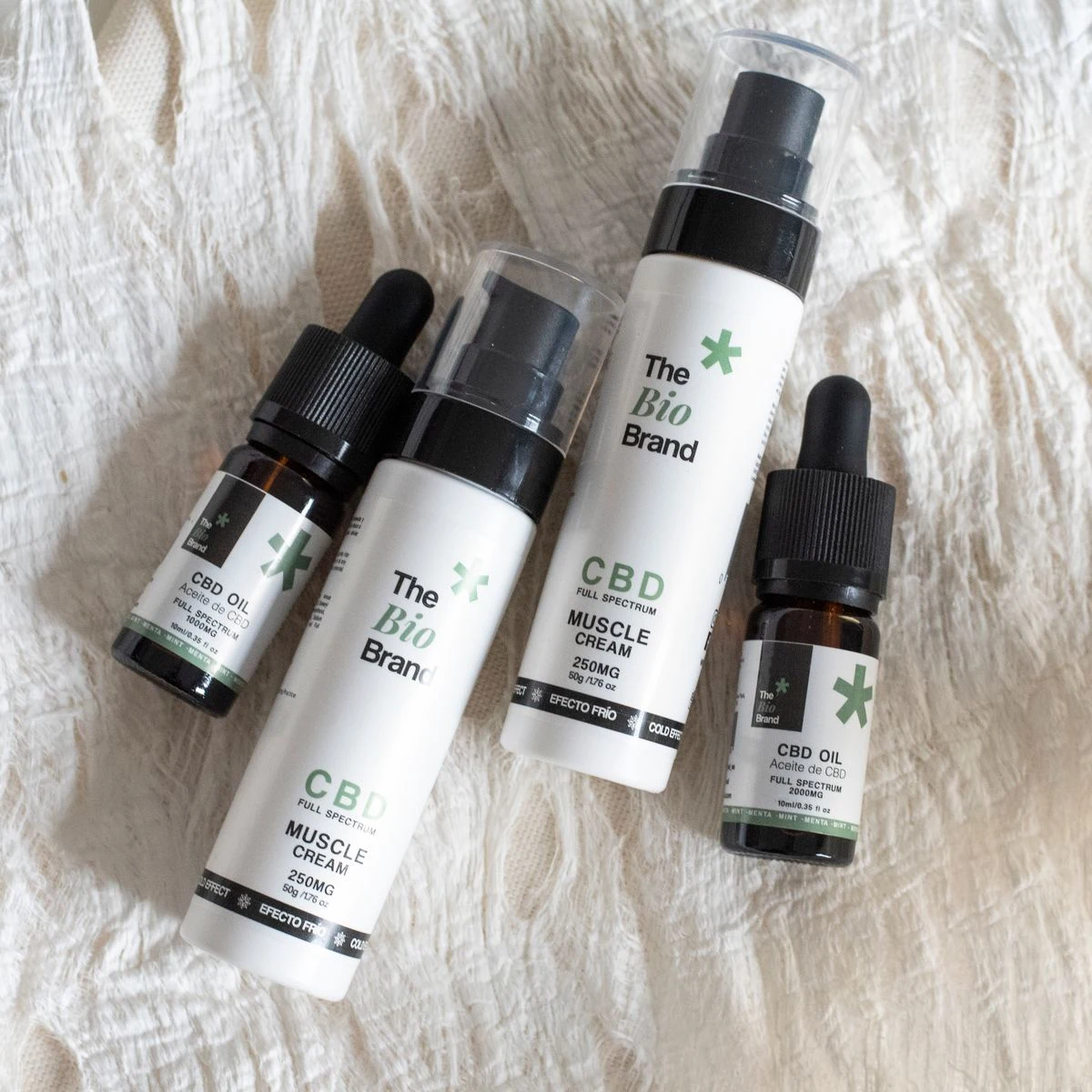
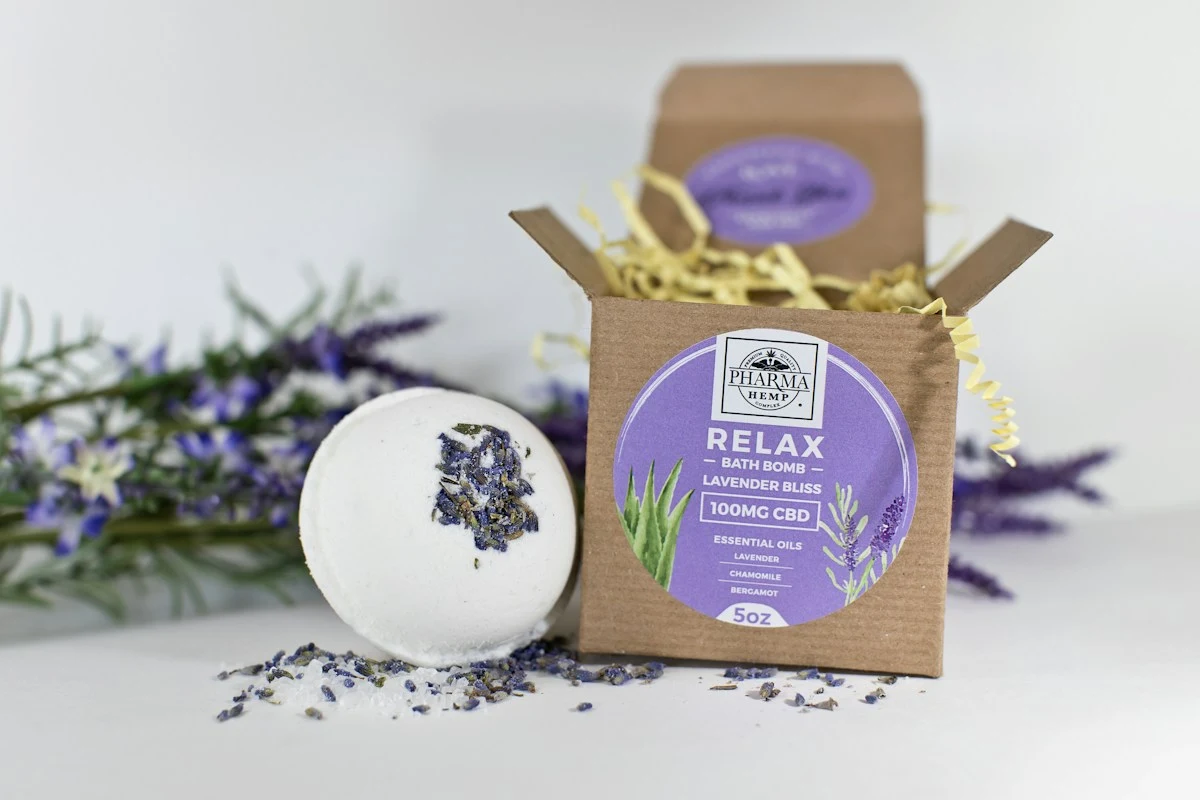
CBD oil after training
In a survey of 80 elite Canadian athletes, 30 said they had tried CBD. Oils or tinctures were the most popular forms among respondents who used it. Athletes associated CBD with relaxation, better sleep and less pain after training.Cannabidiol use among elite-level Canadian athletes, Frontiers in Nutrition, 2025, PMC12715612
Five facts about cannabis and its chemistry
- Tiny resin glands shaped like mushrooms. Glandular trichomes are especially abundant on the bracts of female flowers. Their small heads sit on slender stalks. Most of the flower’s cannabinoids and terpenes are made and stored in these glands.Livingston et al., The Plant Journal, 2020, PMID 31469934
- Many cannabinoids start in an acidic form. In unheated flower, many cannabinoids occur in their acidic forms. When heated, THCA and CBDA lose a carboxyl group and turn into THC and CBD respectively.Wang et al., Cannabis and Cannabinoid Research, 2016, PMID 28861498
- CBGA is the starting material for several cannabinoids. As the flower grows, the plant produces cannabigerolic acid (CBGA). Enzymes are proteins that help turn one substance into another. The plant uses them to convert some of its CBGA into three other acids. These are tetrahydrocannabinolic acid (THCA), cannabidiolic acid (CBDA) and cannabichromenic acid (CBCA). When heated, THCA becomes THC, CBDA becomes CBD and CBCA becomes cannabichromene (CBC). Any CBGA still in the flower can turn into cannabigerol (CBG) when heated.
- The composition changes during storage. Some THC oxidises to form cannabinol (CBN). Light and heat can speed up the process. CBN is biologically active. In a small study, participants reported mild effects after taking a high oral dose of pure CBN. In batch testing, a rise in CBN is one sign of a change in composition during storage.
- Cannabis terpenes occur in other plants too. Myrcene, limonene and pinene help give herbs, citrus and pine their distinctive aromas. Researchers are studying how individual terpenes interact with receptors and whether they influence how people feel. Read more in our guide to THC and terpenes.
Frequently asked questions
No. Medical practice uses CBD-dominant, balanced and THC-dominant flower. Factors in the choice include composition, possible side effects and national regulations.
Composition can vary from one batch to the next, and people can respond differently to the same flower. A laboratory report lists the THC and CBD content of an individual batch.
Medical cannabis includes different formulations, such as dried flower and preparations containing THC, CBD, or both. CBD oil is one form of product containing cannabidiol. The name alone does not tell you whether it is approved as a medicine.
We carry high-CBD varieties. Message us in chat to check availability and delivery options for your address.
This article is for informational purposes. Discuss the use of medical cannabis with your treating clinician.