Indica vs. Sativa vs. Hybrid: What’s the Difference?
November 22, 2026
Indica, sativa and hybrid are familiar words on cannabis labels. Indica and sativa once described the way plants looked. To a breeder, a hybrid is the offspring of two crossed lines. Today the three labels make a menu easier to browse. Batch information tells you more about what’s inside.
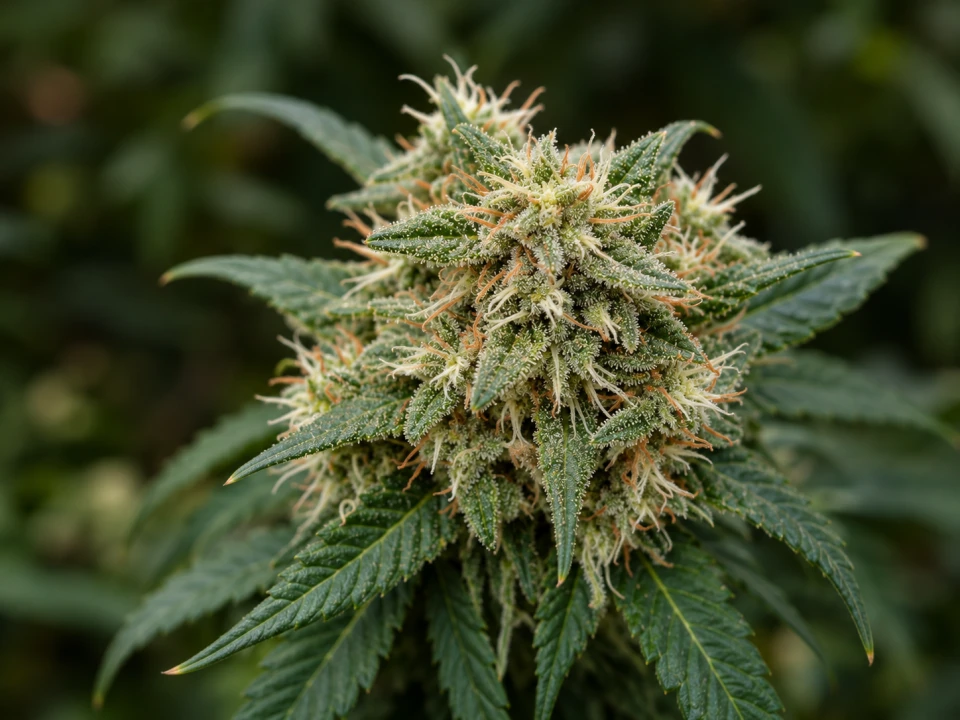
Picture two packages marked Indica. One smells like pine and the other like lemon peel. How did they end up with the same label? The word started out in botany, then made its way into breeding and retail. Each trade used it a little differently, which is where the confusion comes from.
From the Pamirs to Lamarck
Hemp has a long history as an everyday crop. People made cloth from its fibres and ate its seeds. Comparing plant DNA from around the world points to East Asia. One estimate puts the start of cannabis domestication there around 12,000 years ago.
Burial sites tell another part of the story. In the eastern Pamirs, wooden braziers dating back about 2,500 years held traces of cannabis. In 2026, researchers described an older discovery from southern Siberia. A burial dating back about 2,800 years contained cannabis seeds and human hair with traces of cannabis use.
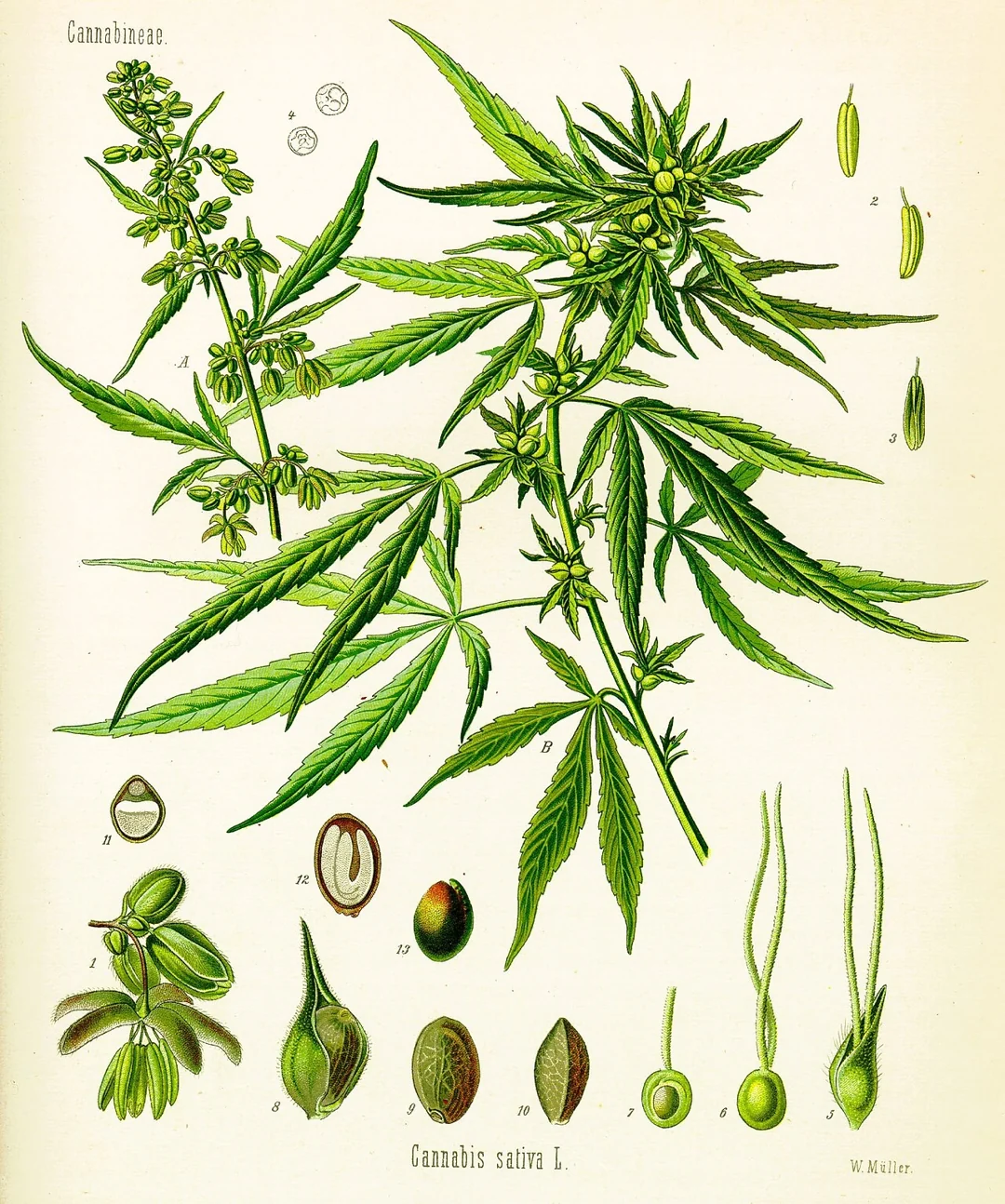
In 1753, Swedish botanist Carl Linnaeus named cultivated hemp Cannabis sativa. In 1785, French naturalist Jean-Baptiste Lamarck described a plant from India as Cannabis indica. Both worked from the features they could observe. Kew now uses Cannabis sativa as the species name, so it has a wider meaning in botany than Sativa does in a shop.
Where indica and sativa came from
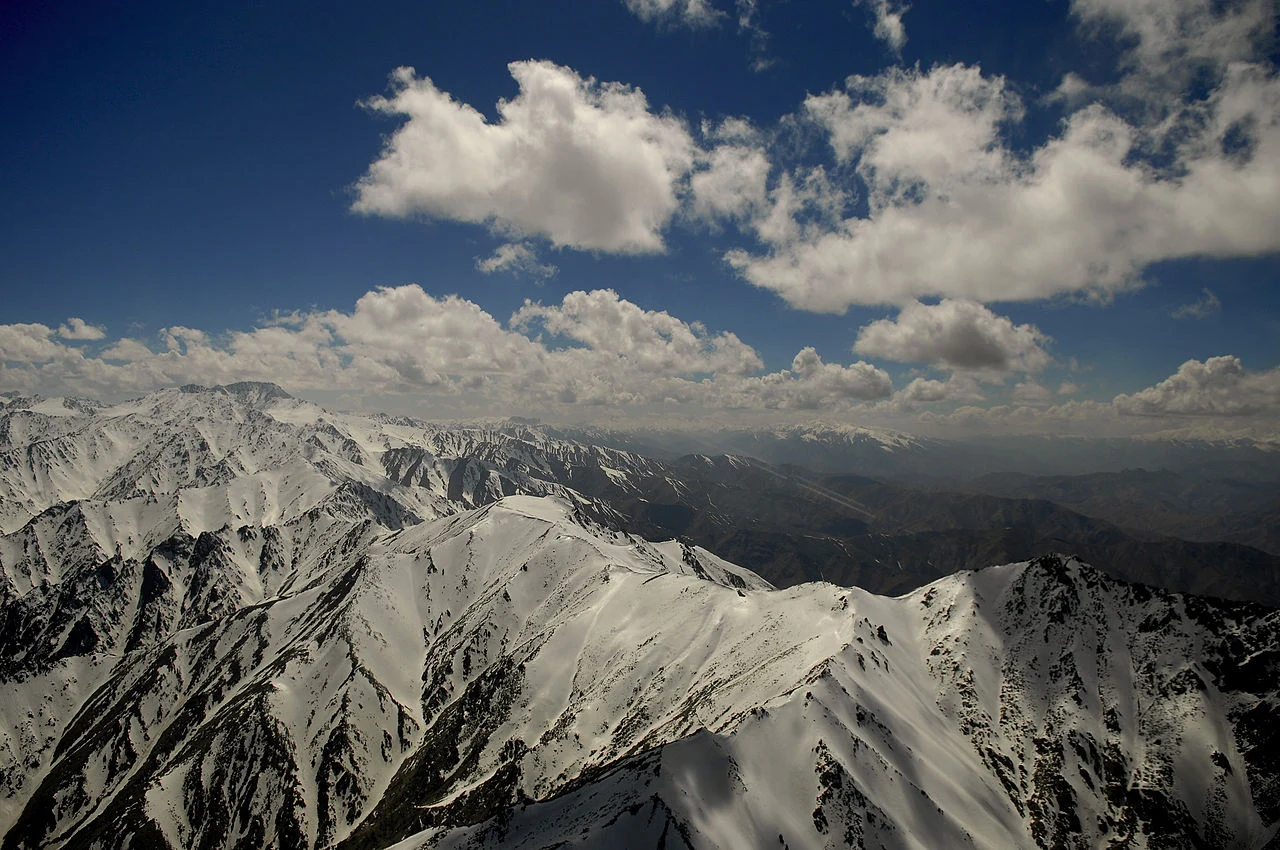
Afghanistan and the Hindu Kush. This region is associated with the familiar image of an indica plant, short and bushy with broad leaflets. Over generations, people there selected plants partly for their resin. Afghanistan also had narrow-leaf plants, so a leaf on its own can tell you only so much about where a plant came from.
India and the Himalayas. People here also grew cannabis for resin, including narrow-leaf plants. This is where the names get a little tangled. Lamarck’s indica referred to material from India. A later breeder might have called a narrow-leaf Indian plant sativa based on the way it looked.
Mexico, Colombia, Panama and Malawi. These places turn up in the family trees of well-known hybrids. Skunk #1 has Afghan, Colombian and Mexican branches. The name Malawi × Panama tells you where its parent lines come from. When breeders say landrace, they usually mean a local population shaped over generations by its climate and by what people chose to grow.
What California found
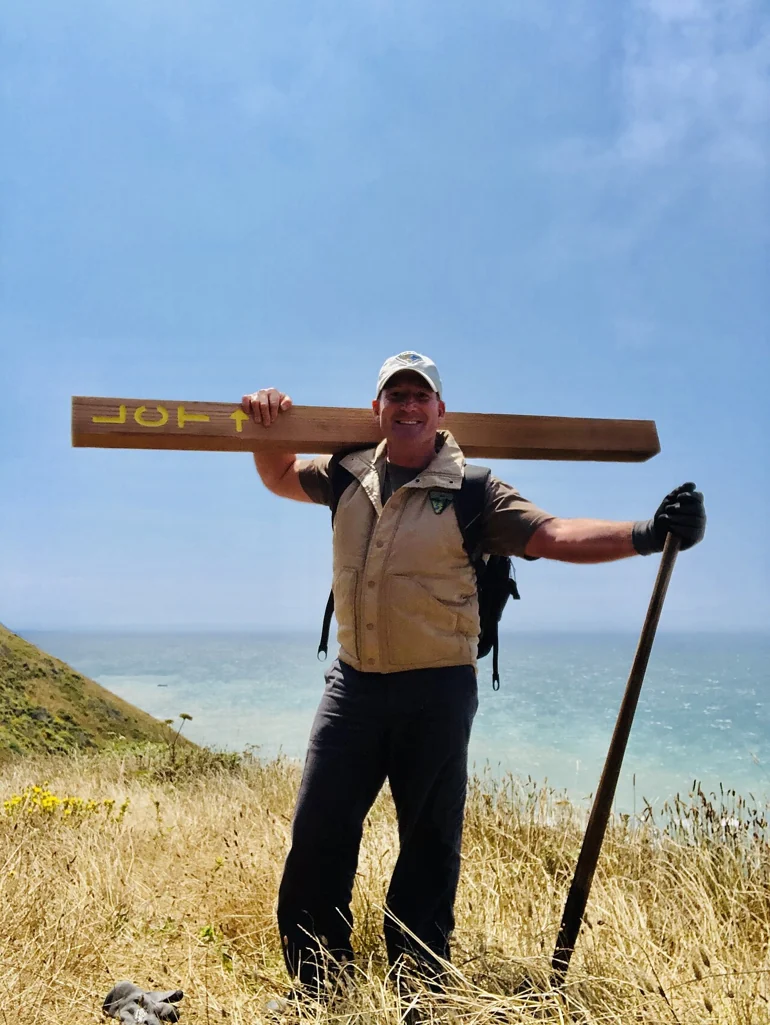
Humboldt, Mendocino and Trinity are three Northern California counties known as the Emerald Triangle. Small farms took root here in the late 1960s. Today, researchers at Cal Poly Humboldt are recording growers’ memories and studying the lines that survived. The Lost Coast Trail follows the coastline of Humboldt County. The photo shows the landscape of one of the three counties where that farming culture developed.
California offers a good example of what happens when you check retail labels against lab results. An early study compared 494 local samples. A later team had data from nearly 90,000 samples across six states, including California. In both studies, products from different retail categories could have similar chemical profiles.
On California menus, the categories still help shoppers find their way around. For a comparison between batches, look at the THC and CBD figures. If you’re curious about the smell, look at terpenes, the compounds behind notes such as pine, citrus or spice. Smell alone tells you little about how someone will respond.
Well-known lines and seed banks
Seed banks and breeders often publish family trees for their lines. They let you follow a branch from one generation to the next. These four examples are a good place to start.
| Breeder or seed bank | Notable lines | Why they’re interesting |
|---|---|---|
| Sensi Seeds | Skunk #1, Northern Lights #5 × Haze | Skunk #1 brought together several regional lines. Northern Lights #5 × Haze is a well-known hybrid released in 1989. |
| Humboldt Seed Company | Blueberry Muffin | This Northern California line takes its name from an aroma its breeder compares to blueberry baked goods. |
| Archive Seed Bank | Do-Si-Dos, Moonbow | Do-Si-Dos brought together OGKB and Face Off OG. A branch of Dosidos was later crossed with Zkittlez to produce Moonbow. |
| ACE Seeds | Malawi × Panama | The breeder describes both parents of this hybrid as sativa lines. |
Family trees can clear up some of the confusion around strain names. Moonbow #112, for instance, refers to a particular plant the breeder picked out from the offspring of a cross. A familiar strain name from a different producer can still be attached to a plant with a different chemical profile.
What to look for on the label
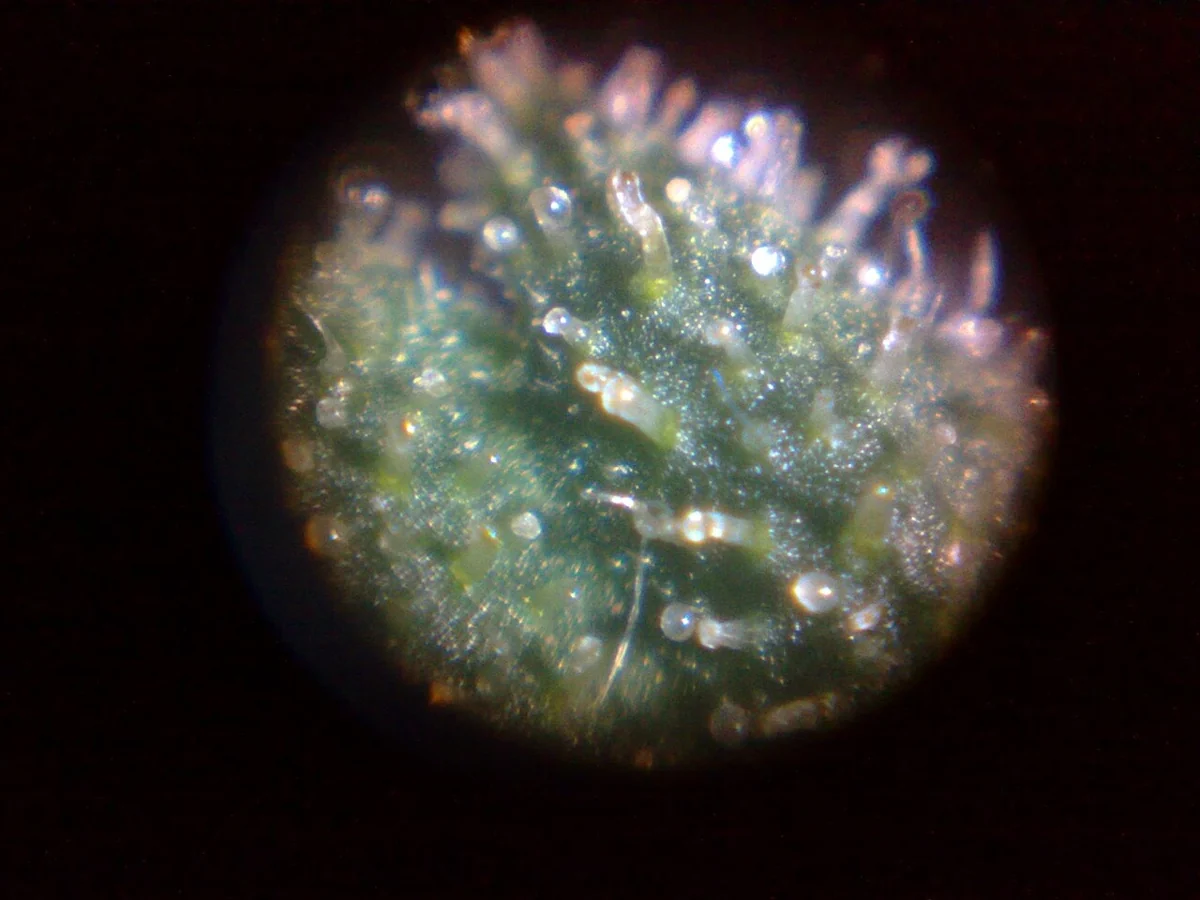
If you’re comparing two packages, start with the strain name, producer and batch details. THC and CBD figures show how much of those two compounds each contains. A terpene profile, if listed, gives you a sense of the compounds behind the aroma. In California, labs record a batch’s test results in a document called a Certificate of Analysis, or COA. Think of it as the test report for that batch.
Frequently asked questions
Breeders traditionally used indica for shorter plants with broader leaflets and sativa for taller plants with narrower ones. In stores, those words mostly sort products into sections. They tell you little about what’s in a specific batch or how it will feel.
Hybrid means the plant comes from a cross between two parent lines. Both parents can be sativa lines or both can be indica lines. A label such as “70% Sativa” usually reflects a breeder’s description of ancestry. Lab results list the compounds measured in the batch.
That’s a common way for stores to describe the categories. When researchers measured what was in the products, they found plenty of overlap. The amount of THC, how it’s consumed and the person’s own response can all affect how it feels.
Yes. Different producers can use the same name for different selections, and two batches from one producer can also vary. Batch-specific information makes for a more useful comparison.
The Sensi Seeds archive covers classic hybrids, and ACE Seeds documents regional lines. Humboldt Seed Company is an example from Northern California, while Archive Seed Bank traces the ancestry of modern lines such as Do-Si-Dos and Moonbow.